
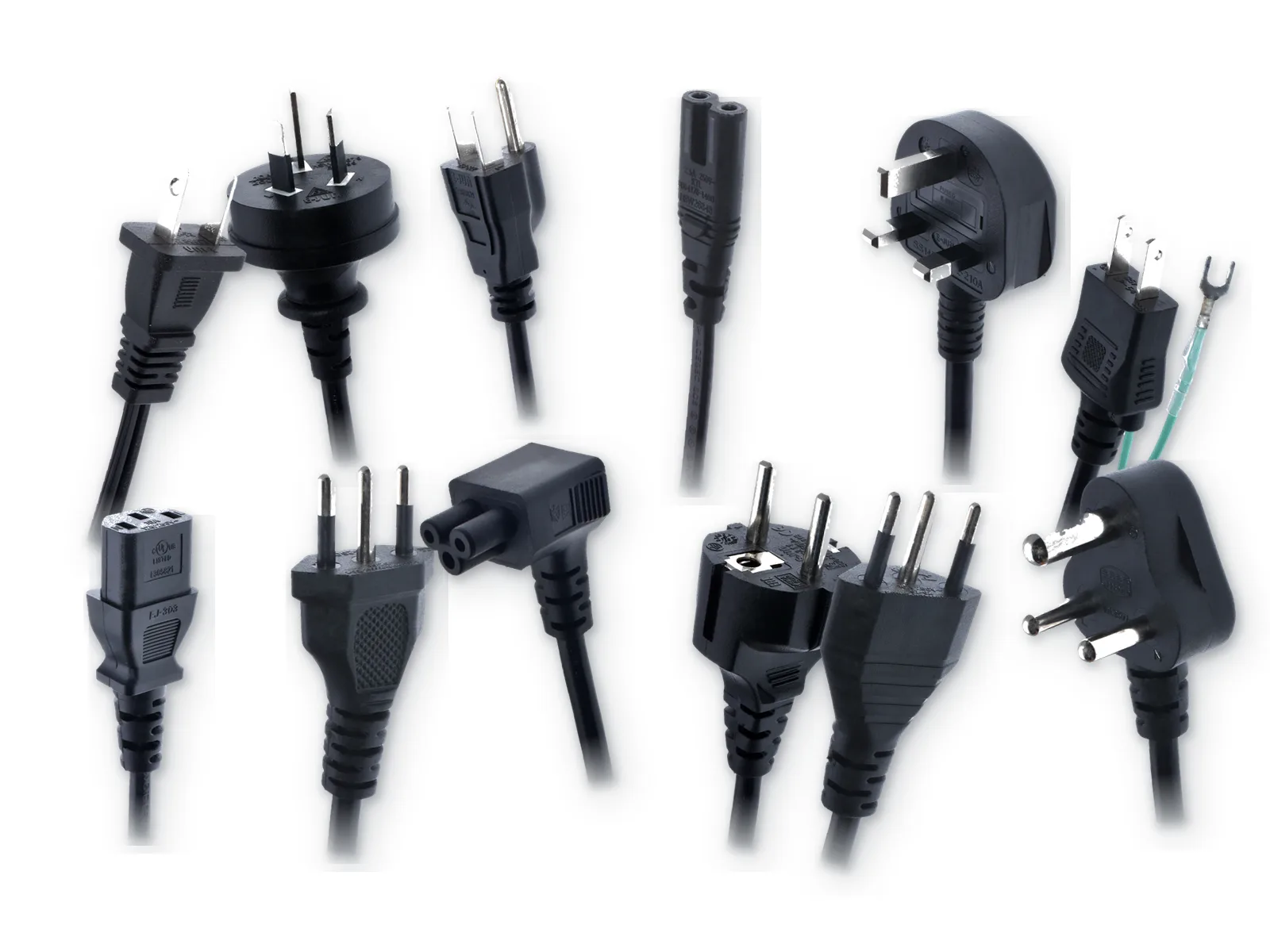
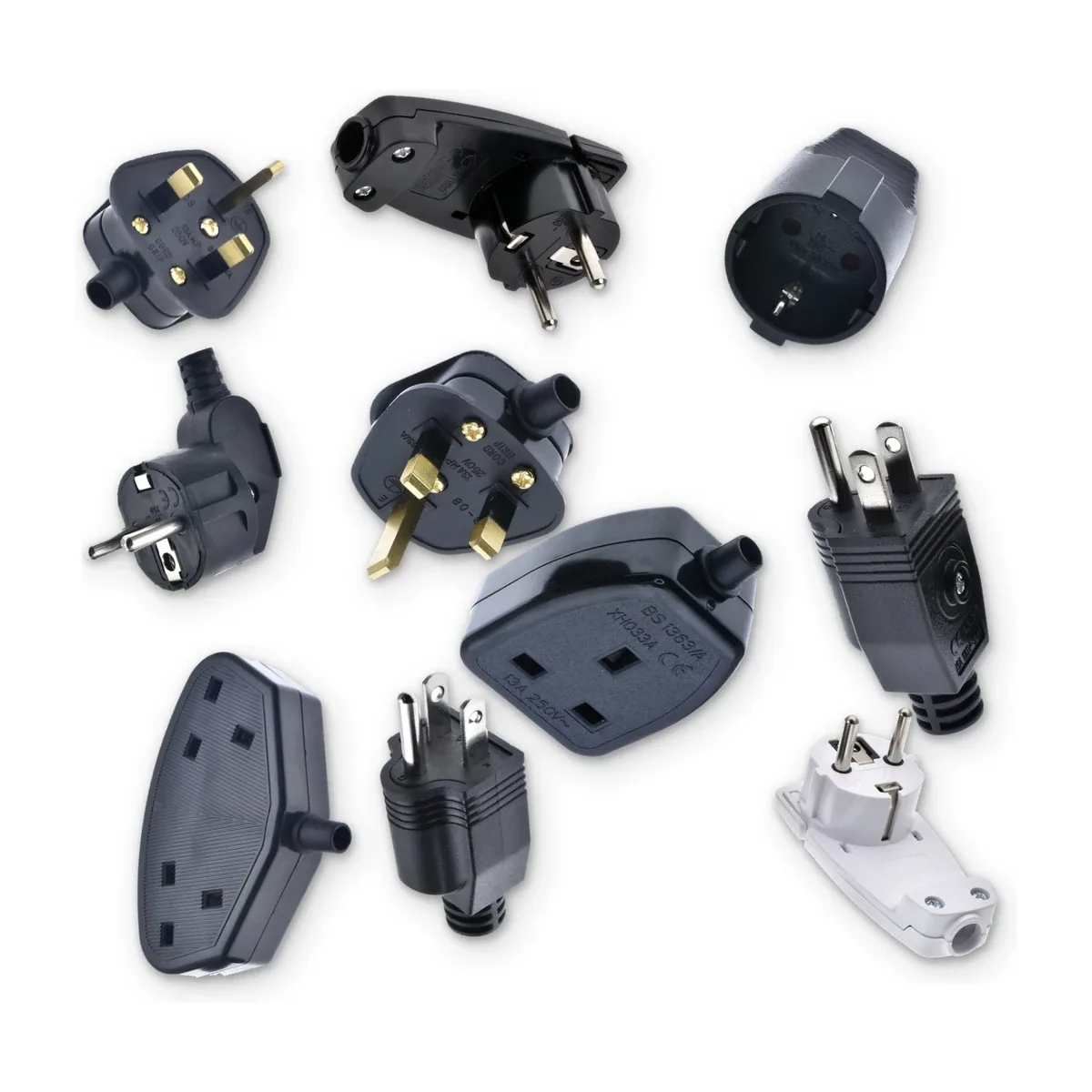
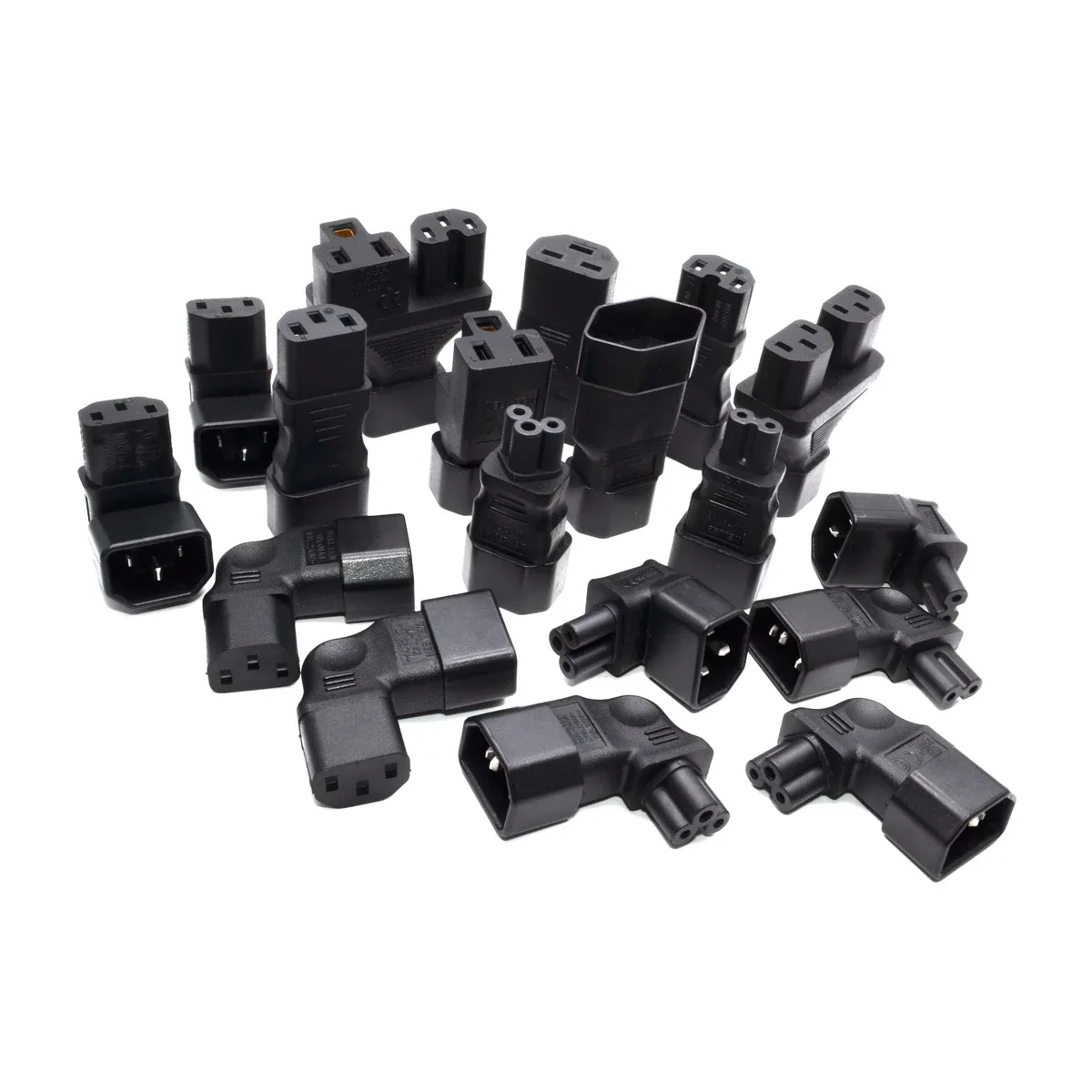
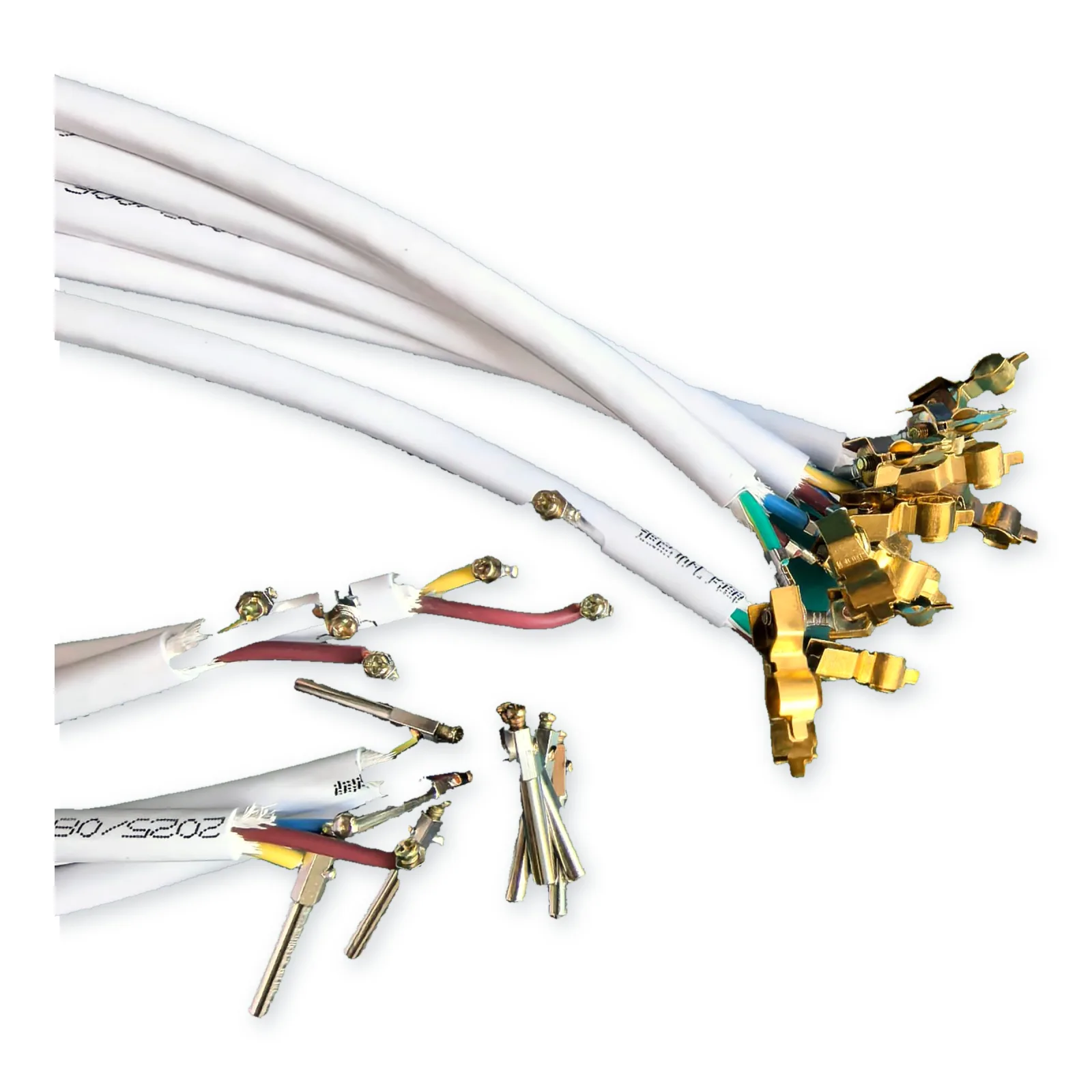
A model number arrives by email and the quoting starts before anyone reads it. European, North American and Japanese codes are assembled from completely different rules, and the trap is that the same letter means three different things.
Europe: H first, then four blocks
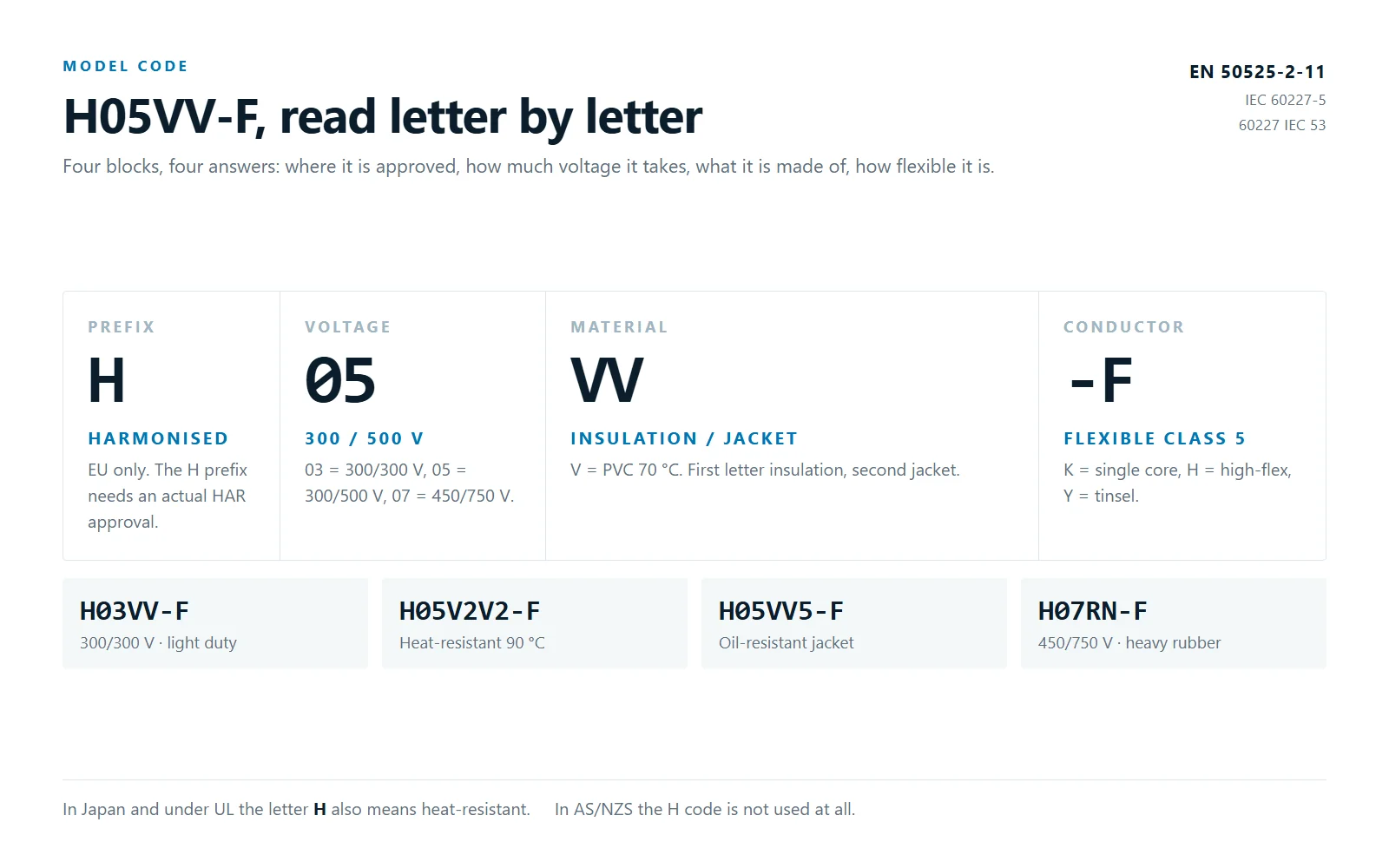
H05VV-F splits into four parts: H = harmonised, only cable under HAR approval may use the prefix; 05 = 300/500 V; VV = PVC insulation plus PVC jacket; -F = flexible class 5 conductor.
- 03 / 05 / 07 → 300/300 V, 300/500 V, 450/750 V
- V → PVC 70 °C; V2 → heat-resistant PVC 90 °C; Z / Z1 → low smoke zero halogen
- R / N / B / Q / S → rubber, neoprene, heat-resistant EPR, PUR, silicone
- H2 / f → flat, non-separable cores
- -F flexible, -K single-core flexible, -U single-core solid, -R multicore solid, -H high-flex, -Y tinsel
The IEC number is the same product written differently: 60227 IEC 52 = H03VV-F, 60227 IEC 53 = H05VV-F, 60245 IEC 66 = H07RN-F.
North America: voltage first, then material, then environment
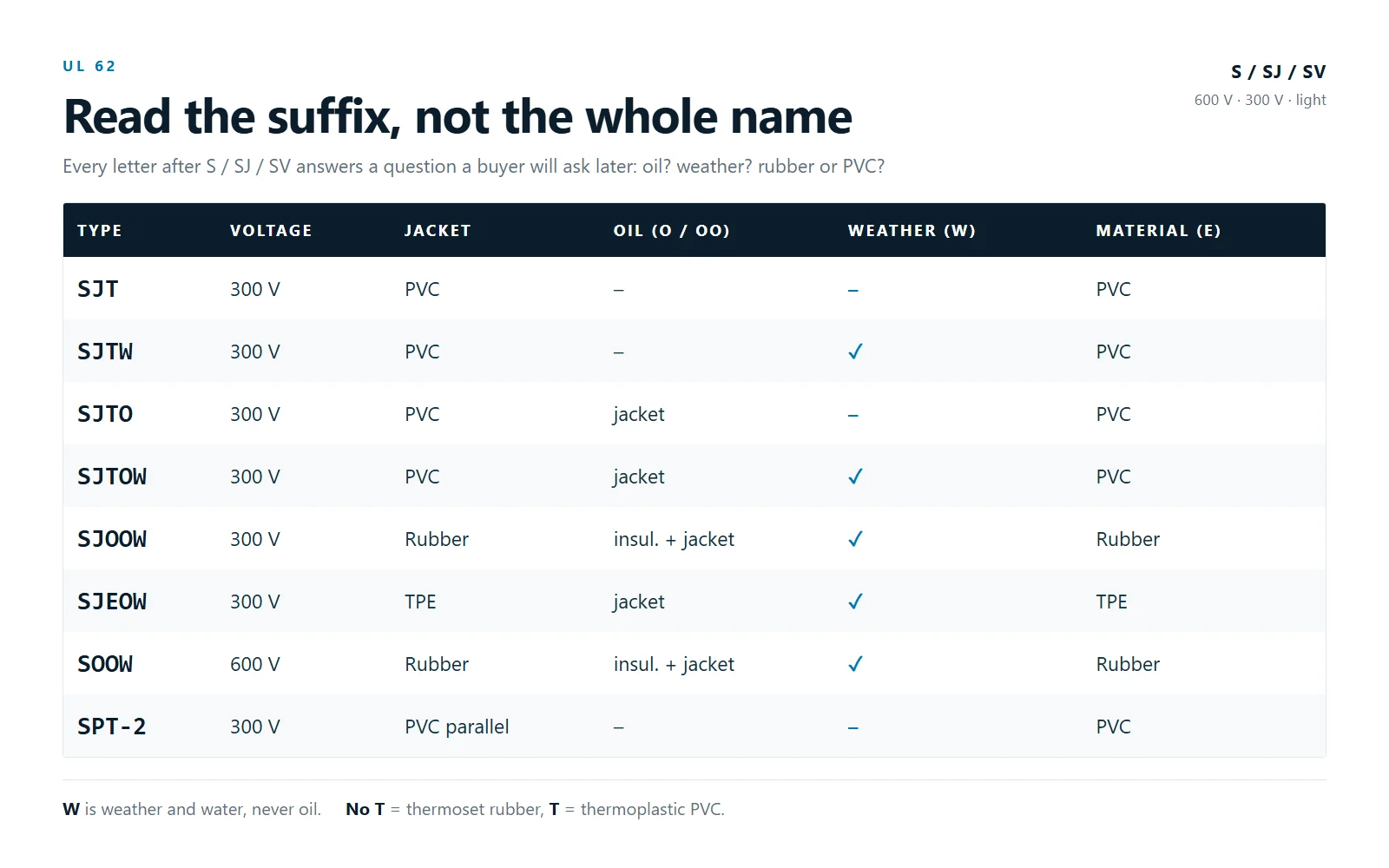
- S = 600 V, SJ = 300 V (Junior), SV = 300 V light duty
- T = thermoplastic PVC jacket; no T (SJO) = thermoset rubber jacket
- O = oil-resistant jacket, OO = insulation and jacket both oil-resistant, W = weather and water, E = TPE elastomer
- P = parallel (SPT has no overall jacket), H = heat-resistant, N = nylon cover, SRDT = range and dryer, EV = electric vehicle
- SPT-1 / -2 / -3 differ only in insulation thickness: 0.030″ / 0.045″ / 0.060″
Two frequent misreadings: W stands for weather, never oil; and AWG does not map one-to-one onto mm² — 18 AWG ≈ 0.82 mm², 16 AWG ≈ 1.31 mm² — so convert before quoting.
Japan: the letters assemble a construction, not a voltage
- V = PVC, H prefix = heat-resistant 75 °C
- C = jacket, T = twisted pair, F = flexible cord, K = oval
- SF = single core, FF = flat flexible, PN = neoprene
So VCTF is PVC insulation plus PVC jacket plus round flexible cord; VCTFK is the same construction pressed oval.
China and Australia: two unrelated systems
The Chinese code assembles material initials: R flexible, V PVC, P screened, B parallel, S twisted. Rubber cords use Y plus Q / Z / C (light / medium / heavy) and W for weather resistance. AS/NZS ignores function and names only the mechanical class and the material temperature: LD / OD / HD with codes such as V-90 or R-EP-90, and the material code has to be printed on the jacket.
Four things to settle before quoting
- Model plus the certificate of the destination market (HAR / UL / PSE / CCC / SAA)
- Core count and cross-section, with AWG converted to mm²
- Length, termination (plug and connector type), colour and jacket print
- Environment: temperature, oil, weather, and whether LSZH or screening is required